
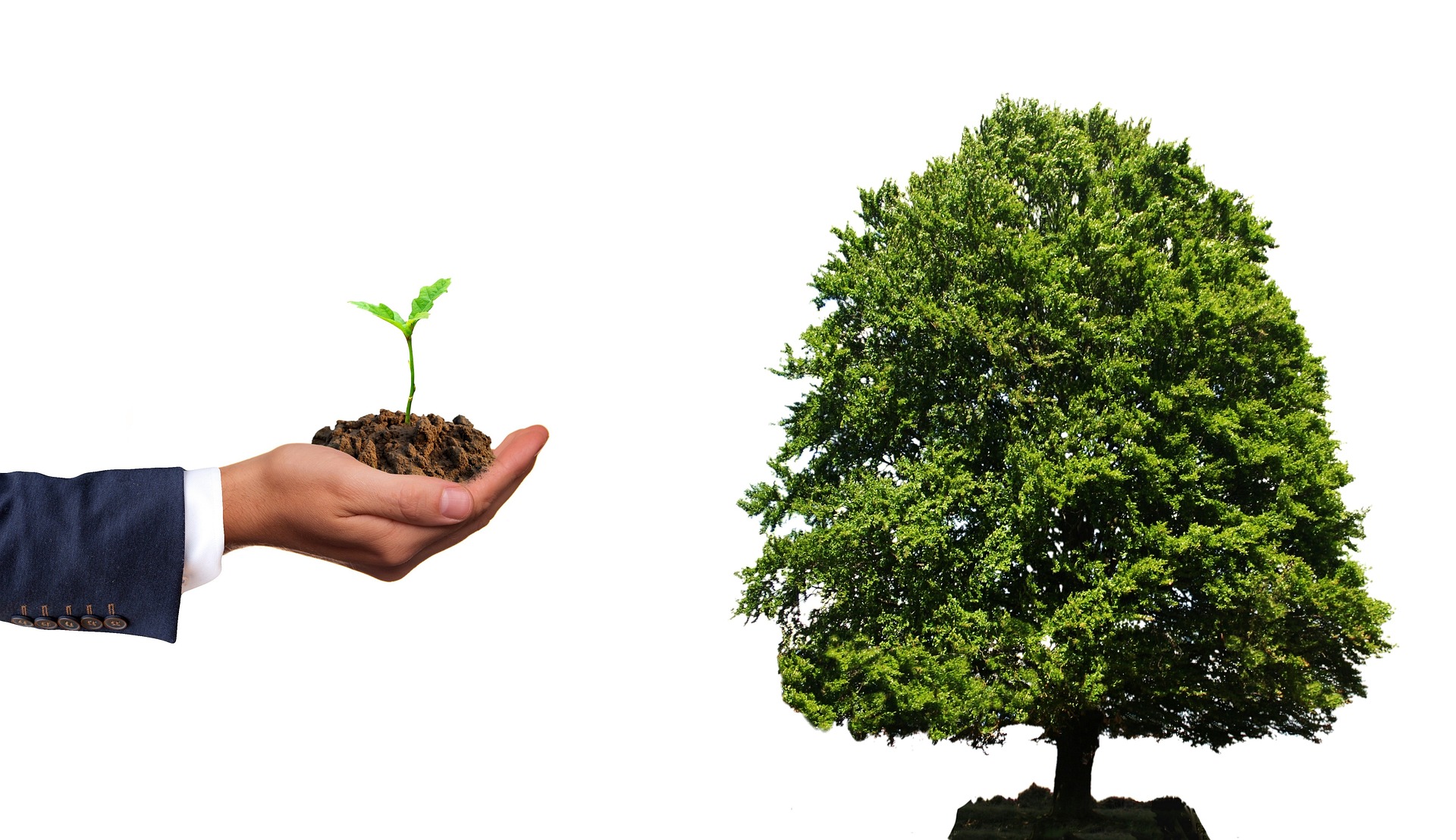

Understanding what nature currently provides is only half the picture. Nature’s potential asks what ecosystems could deliver — under restoration, protection, or transformed land management — and where the greatest opportunities lie.
Across much of the world, ecosystems have been degraded, fragmented, or simplified to the point where their capacity to regulate climate, water, and disease is a fraction of what it once was. Yet that capacity is not lost. Biodiversity can recover, structural complexity can rebuild, and ecological function can be restored — often faster than expected, and with consequences that extend well beyond the restored site itself.
Our research maps this recoverable potential: which landscapes, if restored, would yield the highest returns for climate mitigation, water security, or human health? Where do investment and policy leverage intersect? And critically — what are the ecological mechanisms that determine how fast, and how fully, nature’s functions come back?
This is fundamentally a science of possibility. It turns the same framework used to diagnose nature’s decline into a tool for identifying where action matters most.
Key publications