

Spring phenology
The timing of leaf-out, budburst, and flowering determines when trees begin to grow and fix carbon, and whether they remain synchronized with the insects and animals that depend on them. As climates warm, these timings are shifting — but not always predictably. Trees require sufficient winter cold before they can respond to spring warmth, and where chilling needs go unmet, budburst may fail entirely, with consequences for tree survival and forest function that we are only beginning to understand. Supported by the ERC-funded CHILL-TIME project, we study the mechanisms linking winter cold, spring warmth, and phenological response — and what a recent slowdown in long-term advance trends reveals about the future of temperate and boreal forests.

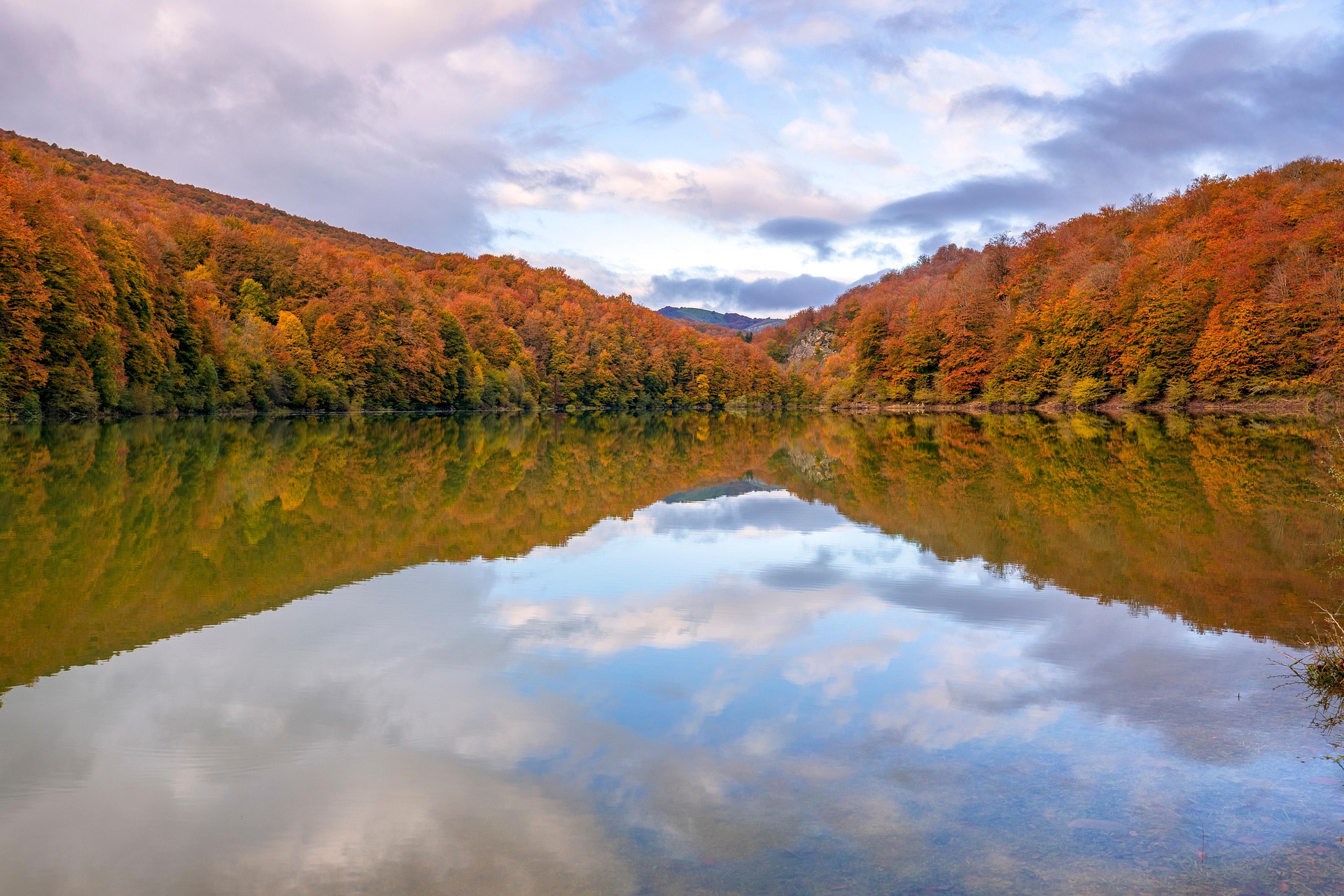
Autumn senescence
The end of the growing season is as consequential as its beginning — leaf senescence determines the final carbon balance of the year, nutrient resorption before leaf drop, and the timing of dormancy entry. Beyond timing, we also study the pigments behind autumn’s colors — why some trees turn red while others yellow — and what the diversity of senescence strategies reveals about the evolutionary and ecological pressures shaping leaf economics at the close of the growing season. Yet autumn phenology has proven harder to predict than spring. Our research has shown that the cues controlling senescence are more complex than temperature alone: as day length shortens after the summer solstice, temperature sensitivity reverses — warmer temperatures early in the season accelerate development and advance senescence, while warmer temperatures later in the season delay it. This is because carry-over effects from earlier in the season — the timing and vigor of spring development leave an imprint that propagates forward, shaping when leaves ultimately fall. Together, these findings challenge the assumption that spring and autumn phenology can be modeled independently, revealing an integrated view of the seasonal cycle as a whole.